From campus to Cannes: What’s shaping the creative minds at SRFTI?
The Satyajit Ray Film and Television Institute has quietly become one of Indian cinema's most reliable talent pipelines — and a recent Times of India feature, "From campus to Cannes: What's shaping…
The Satyajit Ray Film and Television Institute has quietly become one of Indian cinema's most reliable talent pipelines — and a recent Times of India feature, "From campus to Cannes: What's shaping the creative minds at SRFTI?", turns its lens on that very question, arriving at a moment when India's creative economy is rewriting itself from the inside out.
The classroom as a creative engine
SRFTI's reputation rests on something rare in a content-hungry era: space. Space to think in scenes rather than algorithms, to interrogate the why behind every cut, every frame, every beat of silence in a performance. The institute's pedagogy, steeped in the legacy of the master whose name it carries, treats cinema as a living visual grammar — one whose syntax students are pushed to challenge rather than imitate.
You can spot that grounding in the work. The pacing has weight. The character arcs breathe. There is, in the best SRFTI sensibility, a willingness to trust the audience with mood and ambiguity rather than spelling out every emotional turn. In a marketplace increasingly engineered for scroll-stopping content, that kind of restraint feels quietly radical.
The landscape graduates are walking into
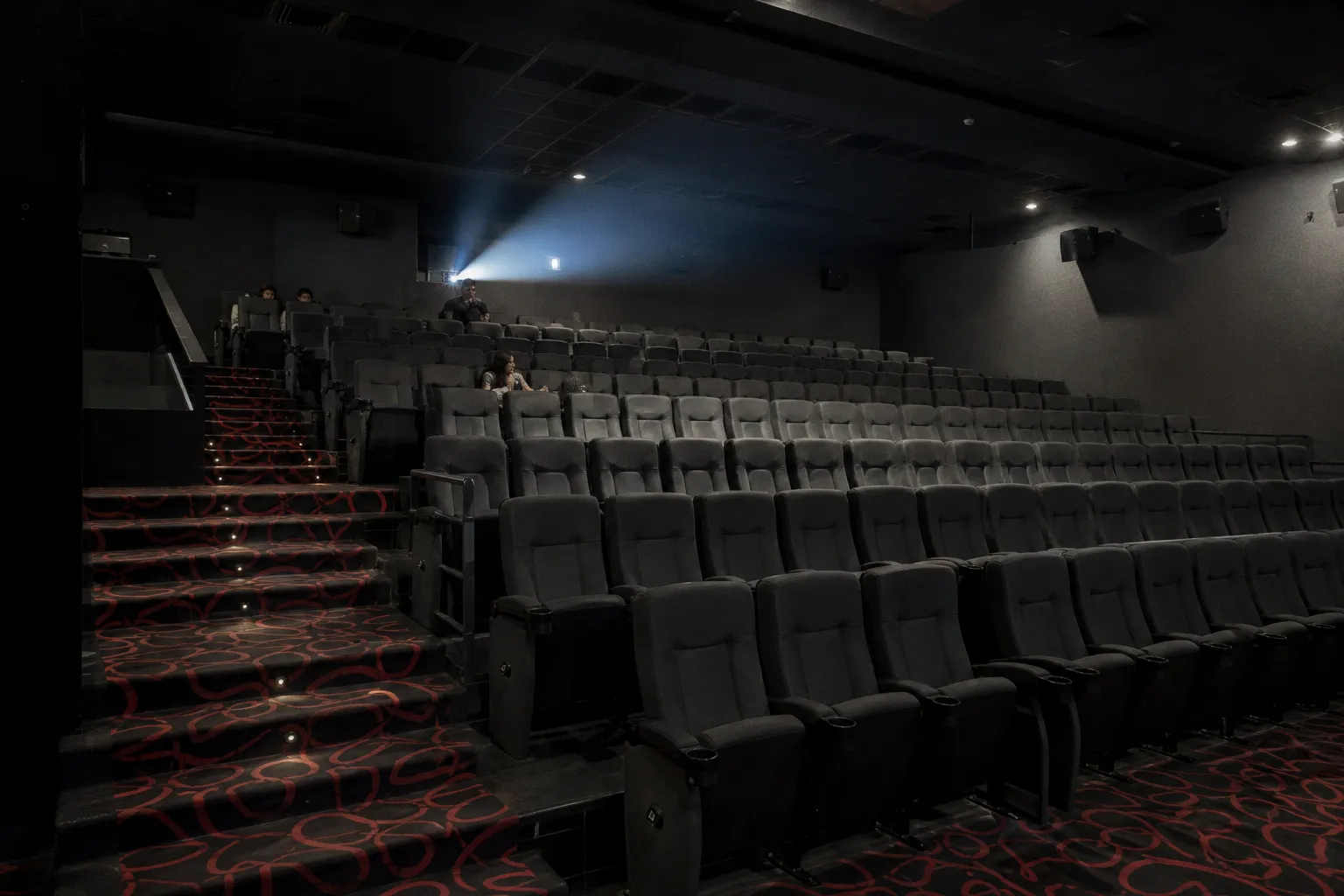
What's especially striking is what awaits them outside the gates. According to the latest FICCI-EY media and entertainment report, cited by Deccan Herald, India recorded its highest-ever theatrical collections in 2025 — approximately Rs 133 billion — placing the country among the world's top five theatrical markets. Some 81 per cent of consumers, the report notes, still prefer watching films in theatres over streaming. The big screen, it turns out, hasn't lost its hold.
And yet the rest of the picture is dizzying. Digital media crossed the Rs 1 lakh crore revenue mark last year. Digital advertising expanded by 26 per cent; subscription revenues grew by around 60 per cent. Connected TV, regional-language content, creator-led commerce — these are no longer the outskirts of the industry. They are the new centre of gravity, hungry for the kind of textured, character-driven storytelling that a school like SRFTI is built to deliver.
The gaps no young filmmaker can ignore
For all the momentum, the structural cracks are hard to miss. More than 16,000 PIN codes in India still don't have a single cinema screen. The country operates with barely 6.8 screens per million people — a fraction of what China, South Korea, or the United States offer. The 2025 GST rationalisation offered a modest concession on lower-priced tickets, but most multiplex pricing sits well above that threshold.
Then there is the quietly shrinking theatrical window — a pressure that threatens the economics of ambitious cinema before those films can find their audience. The FICCI-EY findings suggest many viewers are willing to wait for streaming rather than head to theatres, a shift that complicates any argument for ambitious original storytelling at scale.
Still, there is real cause for cautious optimism. Hindi cinema is staging a creative rebound, original stories are finding purchase again, and South Indian cinema continues to demonstrate extraordinary commercial and creative strength. The talent pipeline is being shaped. The creative economy is expanding. The unfinished business — screens, policy, the discipline of the theatrical window — now belongs to everyone with a stake in what comes next.