Revolutionizing Indian Cinema: Strategies for a Competitive Future
India's Ministry of Information and Broadcasting just issued direct orders to overhaul the country's film infrastructure, assembling a high-level Study Group under Prasoon Joshi to map out a reform roadmap.
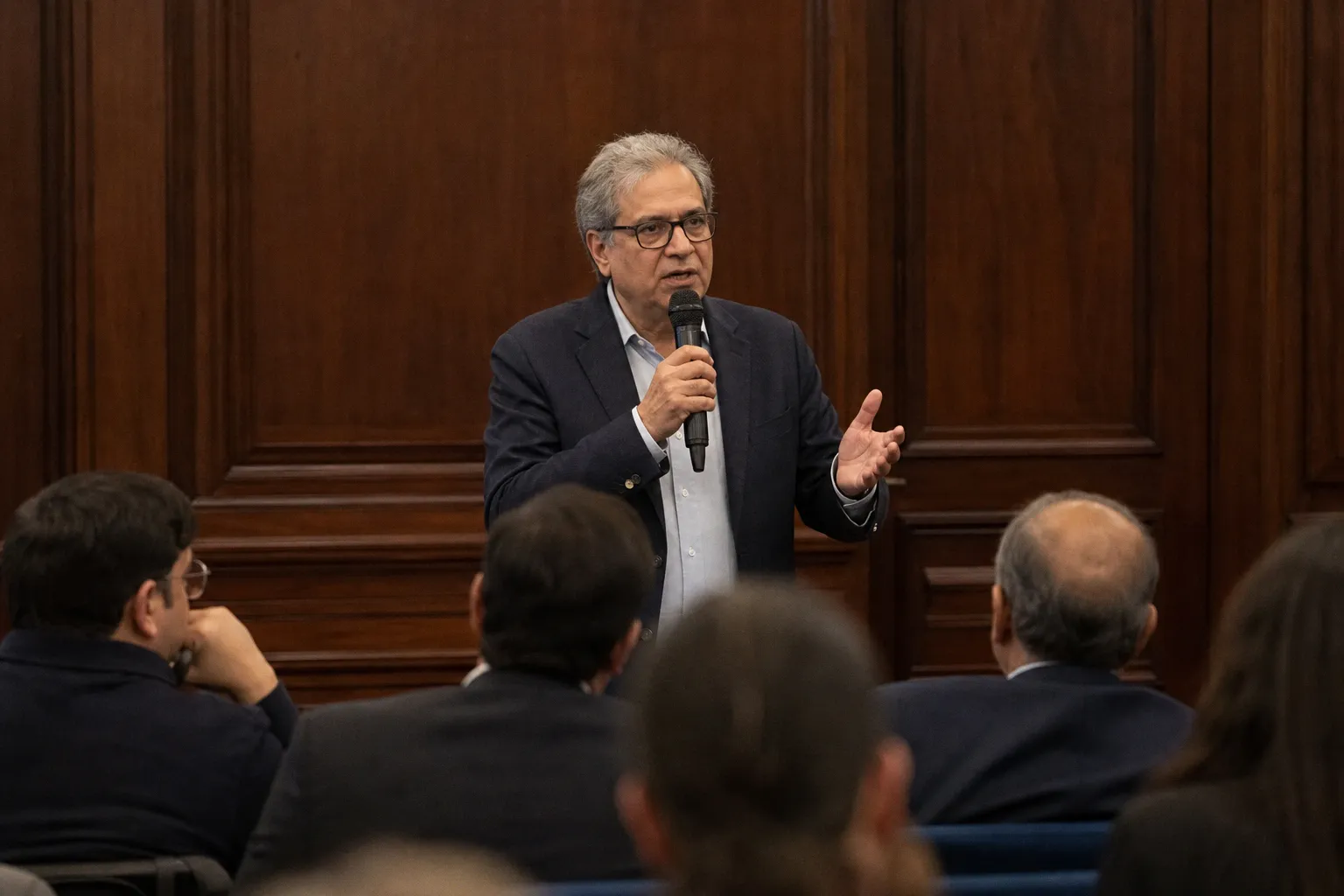
The Panel: Who's Driving the Reform?
I&B Minister Ashwini Vaishnaw convened the high-level meeting and handed the mandate to Prasoon Joshi, currently chairperson of Prasar Bharati. The Study Group has been tasked with examining opportunities and challenges across the full value chain — from production technology to distribution reach. The scope isn't advisory window-dressing: the ministry issued "directives for immediate structural reforms," a phrasing that suggests implementation timelines are already on the table.
The panel will also engage directly with state governments on collaborative growth, which signals a federal push to standardise what has historically been a patchwork of local regulations governing exhibition, taxation, and licensing.
Screens, Territories, and the Infrastructure Gap
The most commercially significant directive here is the push for model state cinema regulations, designed in consultation with industry stakeholders. The stated goal: modernise existing screens and build new ones, with explicit focus on Tier-2, Tier-3 towns and rural areas.
For box office watchers, the math is straightforward. India's screen density remains one of the lowest among major film-producing nations on a per-capita basis. A saturation release strategy in metros can only extract so much yield — the under-screened hinterland represents untapped footfall potential. If the model regulations actually streamline the licensing maze that deters multiplex operators from expanding into smaller markets, the downstream effect on opening-weekend collections and territory-wise revenue splits could be structurally significant.
Tech and Financing: Where the ROI Calculus Shifts
The Study Group is also mandated to look at advanced technologies — specifically Artificial Intelligence and virtual production — as tools to boost competitiveness in global markets. Separately, the panel will explore new funding avenues to address persistent financing hurdles in the Indian film business.
Both threads tie back to one core business problem: Indian productions face high capital risk with limited hedging tools compared to Hollywood's pre-sale and gap-financing models. If new funding structures emerge — whether through institutional channels or policy-backed mechanisms — they could change how projects are greenlit, particularly in the mid-budget segment that currently struggles to secure screens against tentpole saturation.
What to Watch
No implementation timelines, budget allocations, or specific regulatory drafts have surfaced yet. The yield from this reform cycle will depend entirely on execution speed and state-level adoption. For now, the signal itself is worth tracking: when the I&B ministry puts AI, screen expansion, and financing reform under one umbrella with immediate-effect directives, the industry's operational cost structure and distribution economics are on the negotiating table. Stakeholders across the value chain — producers, exhibitors, distributors — should be watching the state-engagement phase closely. That's where the real territory-by-territory impact will materialise.