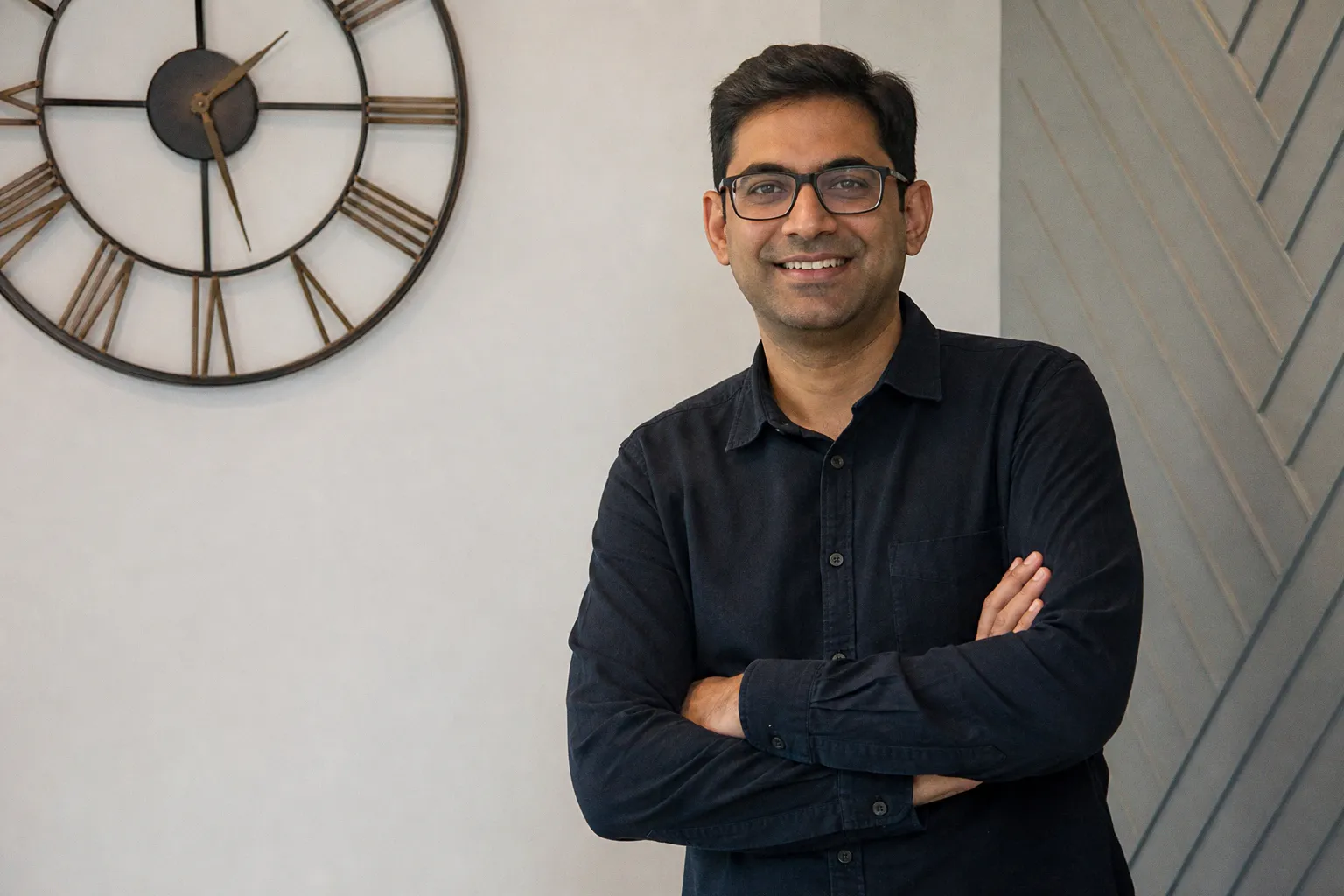
From Pathaan, Jawan to Dhurandhar, India’s love affair with cinema remains intact: Cinepolis MD
Big screen, big claim. The Managing Director of Cinepolis — one of India's biggest cinema chains — has publicly insisted that the country's love affair with cinema is far from over, pinning that…
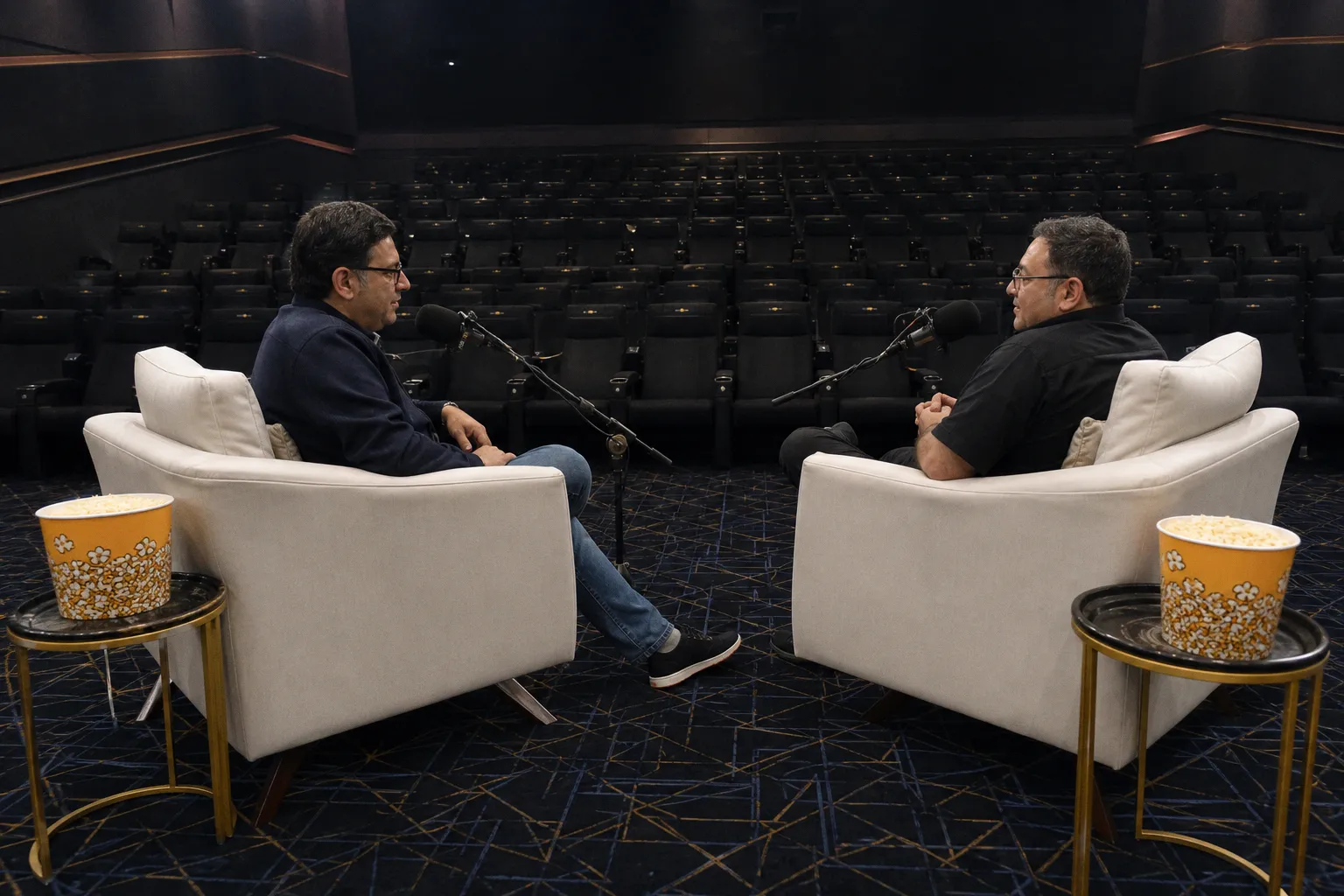
Big screen, big claim. The Managing Director of Cinepolis — one of India's biggest cinema chains — has publicly insisted that the country's love affair with cinema is far from over, pinning that optimism on a roll call that stretches from Pathaan and Jawan right into the rising buzz around Dhurandhar.
The exhibitionist's verdict
According to a remark reported by The Economic Times, the Cinepolis MD framed the theatrical business as something more durable than a pandemic-era recovery blip. The choice to invoke those three titles together is doing real work. Pathaan and Jawan weren't merely commercial hits — they pulled crowds back into halls with the kind of star power, scale and pacing designed for the communal roar of a packed auditorium. Their character arcs were built for a screen far larger than a phone. Dhurandhar, by every early signal, is being positioned in that same elevated register — a third pillar of the visual grammar that has held Indian theatrical exhibition together through the streaming era.
Beyond the headlines
What's quietly radical about the Cinepolis MD's framing is the contrarian timing. Every quarter brings a fresh round of "cinema is dying" thinkpieces, and every quarter the box office complicates that narrative. The MD is essentially telling filmmakers, distributors and ticket-buyers: stop treating theatrical as a relic. Indian audiences haven't lost their appetite for cinematic spectacle — they've been waiting for the next event worth leaving the couch for. When a senior exhibitor leans on a phrase like "love affair" rather than footfalls, that's a deliberate signal. Cinema, he is arguing, remains cultural infrastructure — the weekly ritual of a nation, not just another delivery format competing for screen time.
There's a producer-side subtext too. When exhibitors speak publicly in those terms, they're quietly reassuring green-light committees that a theatrical-first strategy still pays. In an industry where OTT windows have crept aggressively into release patterns, that chorus matters more than the press release itself suggests.
What you can do with this read
For viewers who actually care about whether theatres survive: put Dhurandhar's opening weekend on your calendar. Watch how the chains — Cinepolis included — program and price around it. Track whether smaller-town screens, often the real bellwether for a film's true national reach, get pulled into the run. And if you love the big screen, vote with your ticket. The MD's optimism is a forecast from someone who reads audience mood in real time, one seat at a time — but forecasts still need footfalls to land. The next data point, as always, will be written in box-office collections.