Indian Independent Cinema Takes Centre Stage at 14th Indo German Film Week in Berlin
Beneath the glittering shadow of mainstream Bollywood, the true pulse of Indian storytelling often beats strongest in its independent heartland.
A Programme of Remarkable Breadth and Artistic Courage
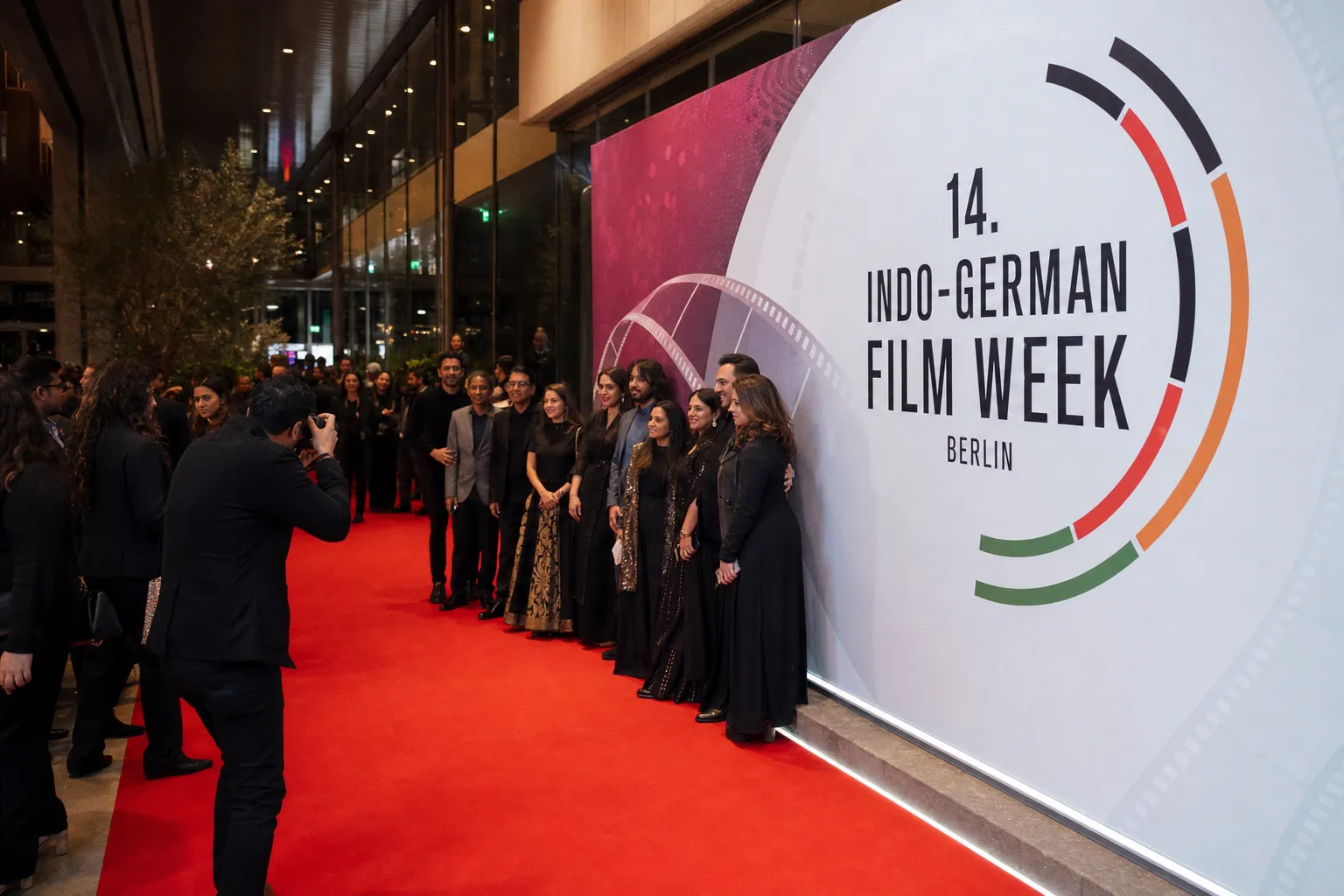
Festival Director Stephan Ottenbruch describes the 2026 selection as a testament to the “remarkable diversity of contemporary Indian independent cinema.” The structure itself tells a story: the journey begins with the psychological mystery Soch: A Perception, set in the Indian Himalayas and exploring social prejudice and justice, and concludes with 52 Blue, a film rooted in English and Malayalam. Between these bookends lies a stunning tapestry of languages and regions. The International Competition section alone features works in Malayalam, Bengali, Marathi, Assamese, and even the Pahadi dialect, while the Out of Competition screenings spotlight new works from formidable voices like Rima Das. This isn’t a curated sample; it’s a panoramic view of a film industry—or rather, a constellation of film industries—finding its global voice through intensely local lenses.
Unpacking the Opening Film: More Than a Mystery
The choice to inaugurate the festival with Soch: A Perception is particularly telling. According to the programme, the film, directed by Ravi Gautam and starring the acclaimed Anjali Patil, uses the framework of a psychological mystery set in the Himalayas to delve into themes of gender inequality and public perception. It promises a narrative that gradually unfolds into a deeper examination of identity and justice. Ottenbruch praises its “thoughtful storytelling and meaningful social engagement.” For the critic, the opening film often sets the thematic keynote, and here it signals a focus on cinema that interrogates social fabric through intimate, character-driven arcs—a far cry from escapist fare. The presence of Patil and Gautam in Berlin for post-screening dialogues also highlights the festival’s role as a vital bridge between creators and a discerning international audience.
Beyond the Silver Screen: Cultural Dialogue as the Main Event
What truly sets this event apart in the cultural calendar is its explicit commitment to cross-cultural dialogue, moving beyond film screenings. The festival commences with “Colors of India,” a full-day immersion featuring workshops, performances, and family-friendly programming. This context is essential; it frames the cinematic showcases not as isolated art-house events but as the centerpiece of a living, breathing exchange. For an audience back home, the significance is twofold. Firstly, it validates the global appetite for the nuanced, human stories our independent filmmakers are telling. Secondly, it demonstrates that the cultural conversation is now happening on a prestigious, collaborative stage in Europe, fostering partnerships that can only enrich the creative ecosystem at its roots. Keep an eye on which films resonate with the Berlin jury; their selections may well become the essential watches for anyone seeking the authentic, evolving narrative of Indian cinema.