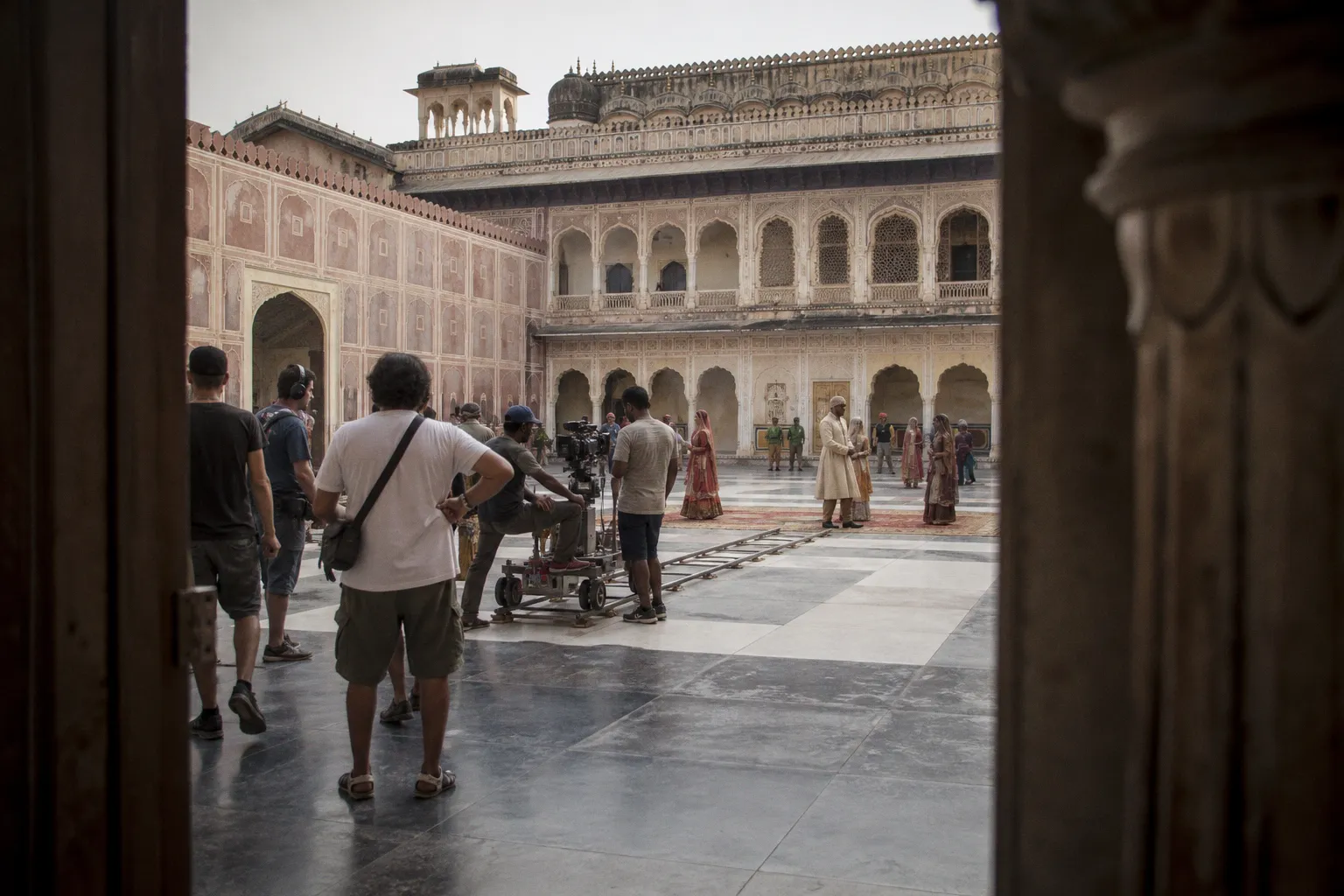
Uzbekistan Film Rebates Offer New Locations for Bollywood
Uzbekistan has just rolled out the red carpet — quite literally — for international filmmakers, and the implications for Indian cinema are quietly enormous.
What the incentive actually looks like
The mechanics are unusually generous. Foreign productions filming in Uzbekistan can now claim partial reimbursement on confirmed in-country expenses, structured in tiers: 10 per cent for spending up to 3 billion soums, 15 per cent between 3 and 5 billion, 20 per cent between 5 and 10 billion, and 25 per cent above that threshold. The ceiling per project sits at 4 billion soums. For a mid-budget Hindi feature or a streaming-era OTT series looking to differentiate itself through on-screen geography, those numbers shift the math considerably.
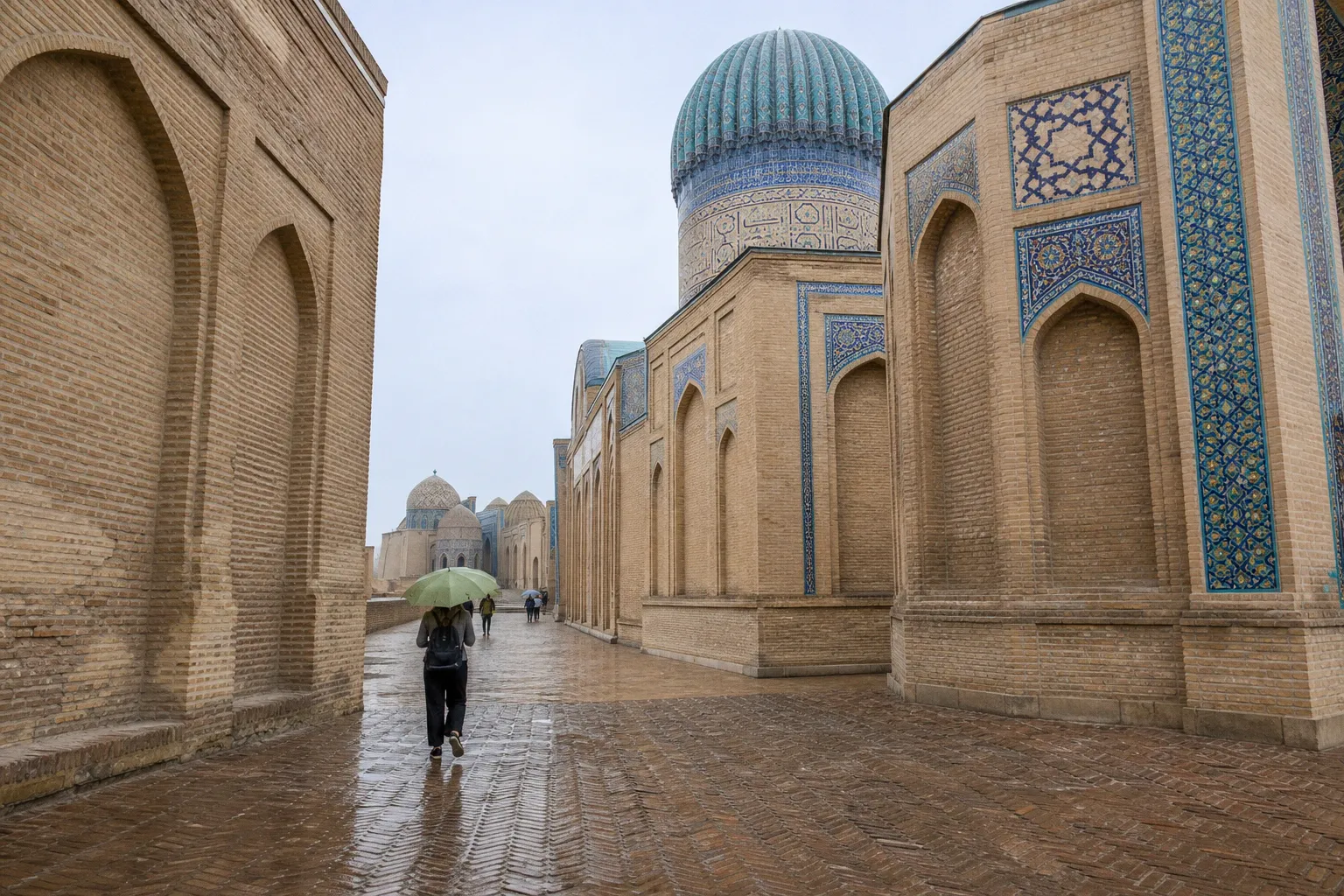
Crucially, the country placement system requires productions to present Uzbekistan as itself — not as a stand-in for another country. That distinction matters because it forces filmmakers to engage with the location's actual identity: the turquoise domes of the Registan, the mud-brick alleys of Khiva, the Silk Road textures that no CGI replica can honestly replicate.
The India connection and the digital infrastructure behind it
Travel And Tour World has framed this as an alignment with Germany, India, France, China and other major film-producing nations, and the framing makes sense — each of these markets brings established production houses that regularly scout overseas locations. For Indian filmmakers specifically, the appeal is obvious: a dramatic, historically rich landscape that photographs like a painting, now backed by a government rebate and a streamlined bureaucratic pathway.
That pathway is the more interesting story. Before 1 November 2026, Uzbekistan will launch the "Film in Uzbekistan" digital platform — a single window consolidating filming locations, infrastructure, service providers and film tourism potential. Foreign producers will receive organisational and advisory support, applications will be processed electronically, and approved projects will receive an individual ID number and QR code. Review timelines are tight: 15 working days for evaluation, five working days for fund transfer after approval. For an industry used to permit processes that stretch into months, that speed is itself a competitive lure.
What to watch next
The Tourism Committee is expected to publish a unified list of shootable objects — heritage monuments, parks, state institutions, props, period costumes — by 1 October 2026, with standardised rental rates attached. The 2026 budget allocation of 5 billion soums is modest, but from 2027 onwards the programme will receive its own annual line item in the State Budget, signalling long-term intent rather than a one-off experiment.
For Bollywood and the wider Indian OTT ecosystem, the practical question is whether producers begin treating Uzbekistan as a co-production partner rather than a backdrop. The country's narrative identity — crossroads of civilisations, layered Islamic architecture, Soviet-era cities frozen in amber — offers character arcs and visual grammar that Indian cinema has only occasionally explored. With the financial friction now reduced, the storytelling possibilities open up in ways that could genuinely reshape how Indian films frame their sense of history and place on screen.